Our State-of-the-Art Production
1. Production and Processing
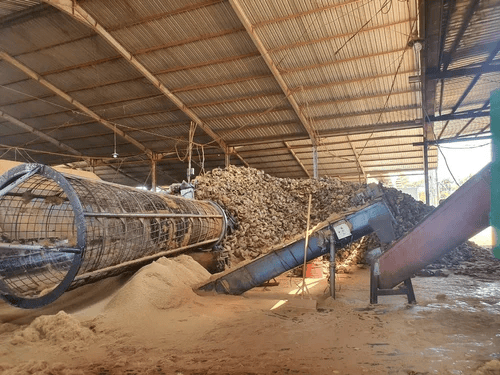
The export process begins with separating coconut husk from the shell and coconut meat. This raw husk then undergoes different treatments depending on the final product. Coconut Husk is sold in its raw, unprocessed form, while Coconut Coir Fiber is extracted through a defibering process that separates the fibrous strands from the pith. These fibers can be further twisted into rope-like strands to produce Twisted Coir Fiber. The leftover fine particles from fiber extraction are compressed into blocks or briquettes known as Cocopeat, widely used as a growing medium in agriculture. Similarly, small to medium-sized husk chips are processed into Cocochips, also intended for horticultural use. For Rubberized Coir, coconut fiber is bonded with rubber latex and pressed into sheets, commonly used for mattresses, cushions, or automotive seating. Each product goes through drying, quality sorting (based on moisture content, density, or fiber length), and packaging according to buyer specifications.

2. Documentation and Customs Clearance
Since these are organic, plant-based commodities, exporters must prepare a set of standard trade documents including a Commercial Invoice and Packing List. A Certificate of Origin (COO) is required to confirm the goods originate from Indonesia. Because coir products are fiber-based agricultural materials, a Phytosanitary Certificate is typically required by importing countries to ensure the products are free from pests and plant diseases. For compressed or baled products like Cocopeat and Coir Fiber, a Fumigation Certificate is also commonly requested to certify pest-free treatment. Additionally, exporters must secure the necessary export permits and pass customs inspection before the shipment is cleared for loading.
3. Shipping and Distribution
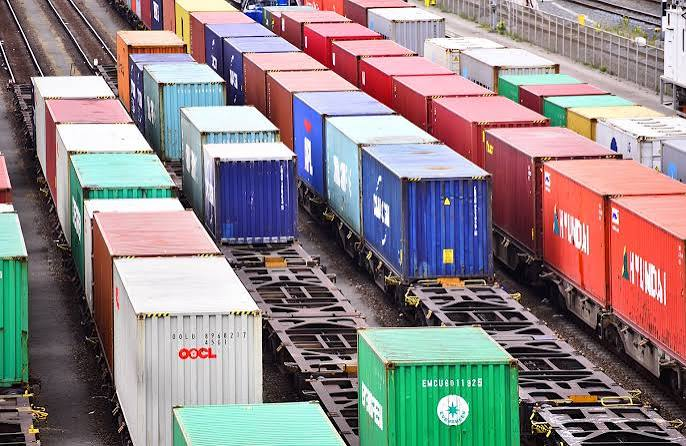
These products are generally shipped via sea freight using containers, as they are high in volume but relatively lightweight — especially Cocopeat and Coir Fiber, which are usually compressed to maximize container space efficiency. Upon arrival at the destination port, the shipment undergoes local quarantine inspection and customs clearance before being distributed to end buyers. These typically include the agricultural sector (Cocopeat and Cocochips for growing media), the automotive and furniture industries (Rubberized Coir), and the textile or rope-making industries (Coir Fiber and Twisted Coir Fiber).